
 EUREuro
 GBPBritish Pound
 AUDAustralian Dollar
- WhatsApp:+86-19892834301
- Email: automantool@hotmail.com
- Skype:autoobdtop

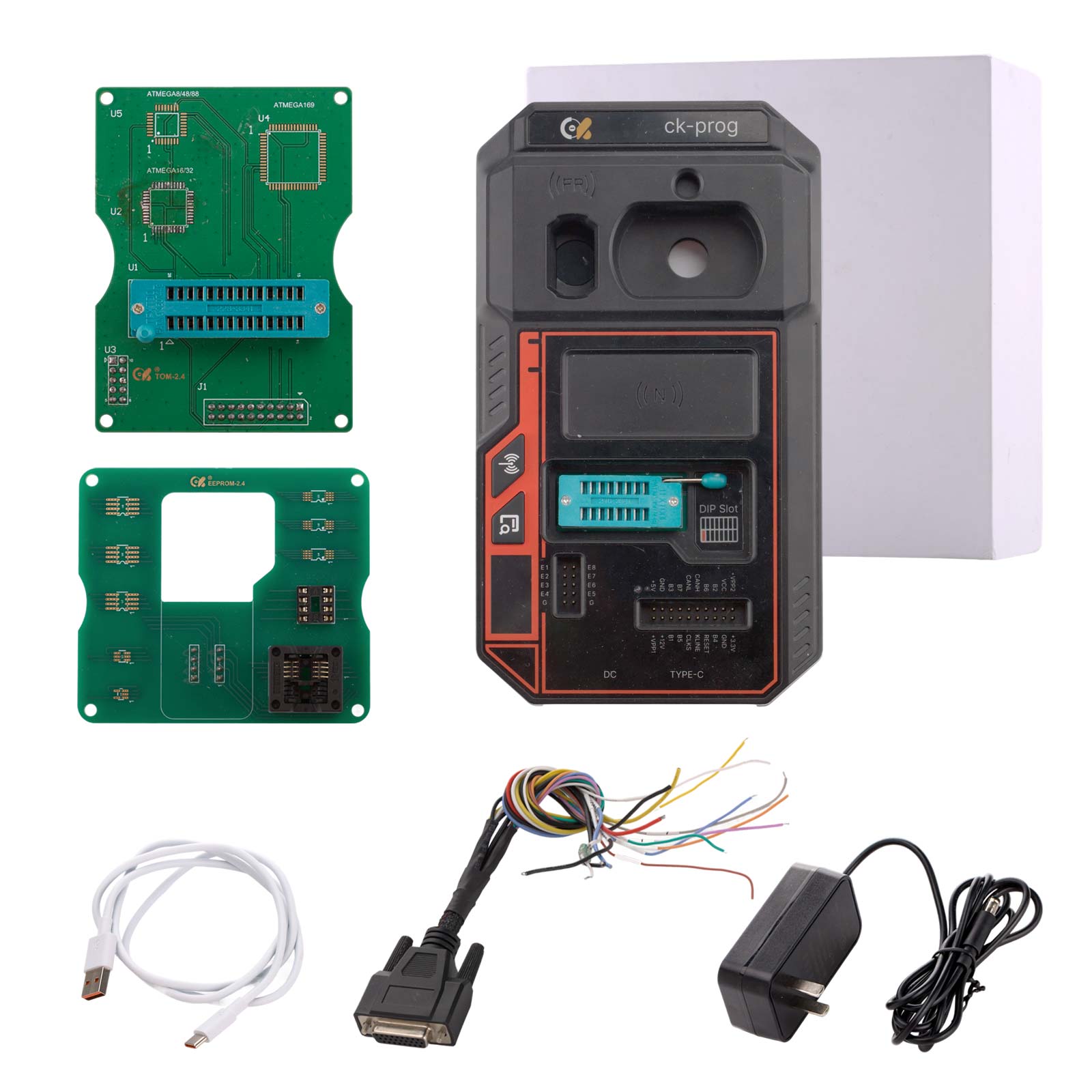
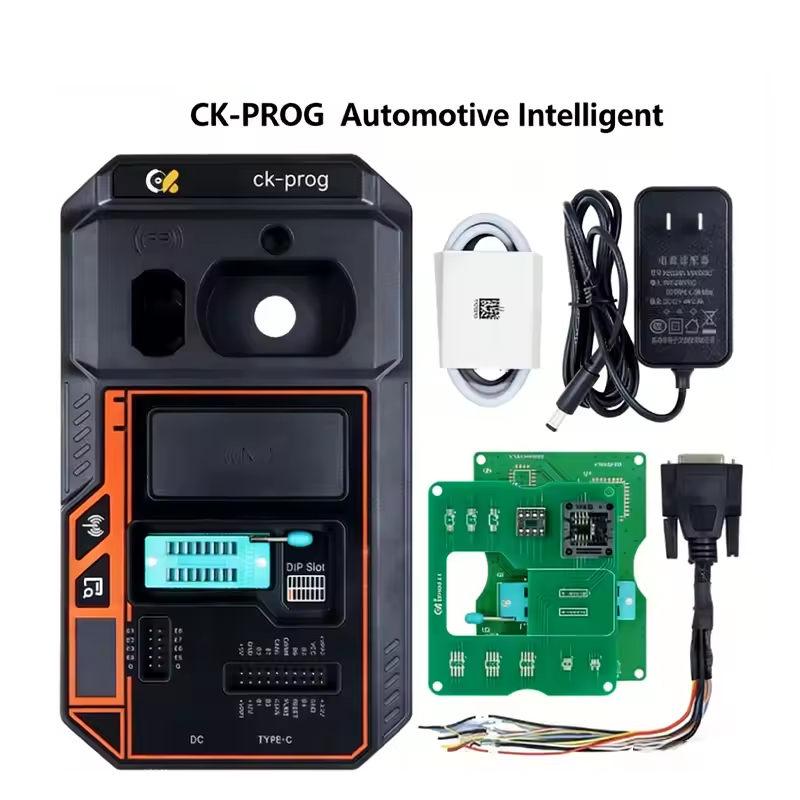
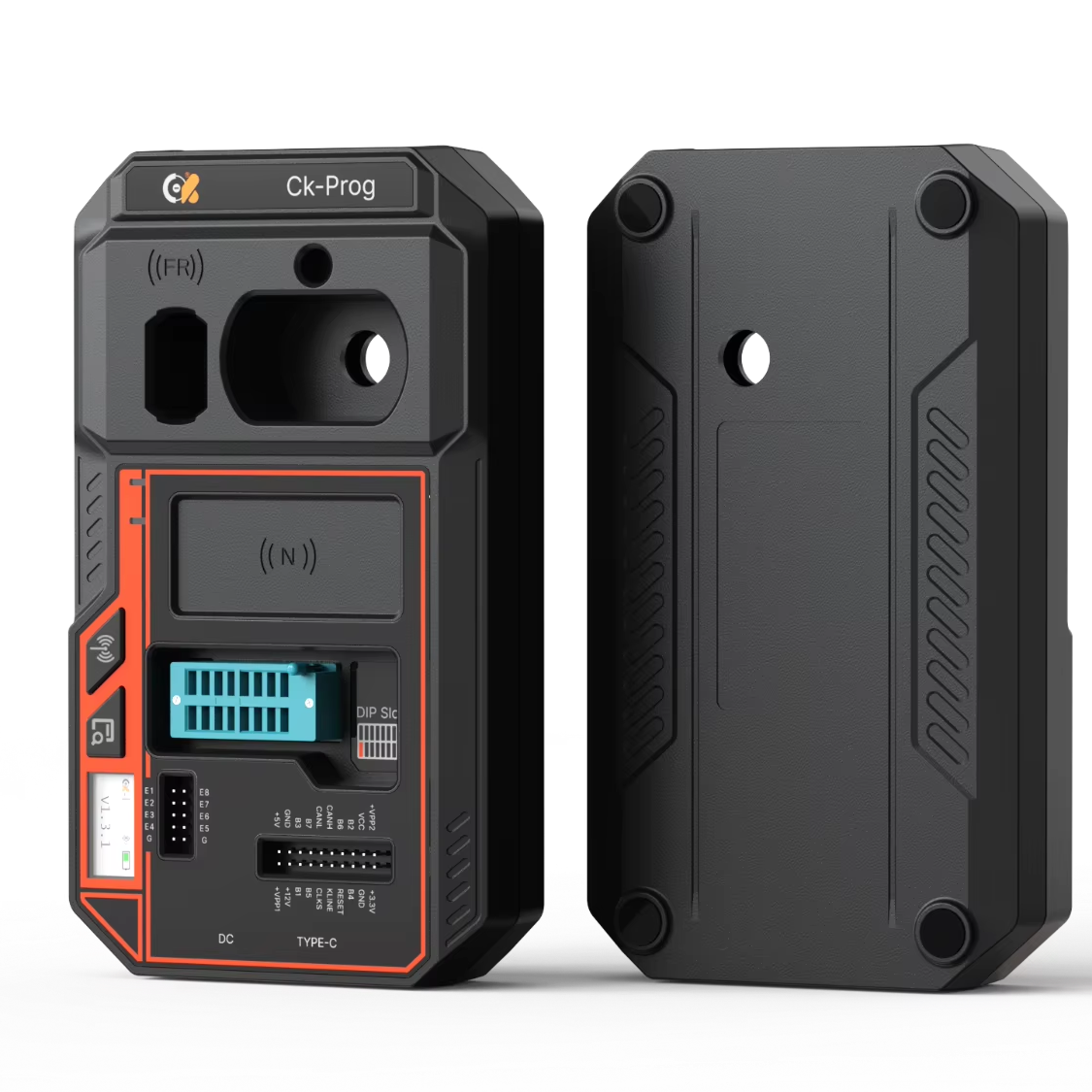
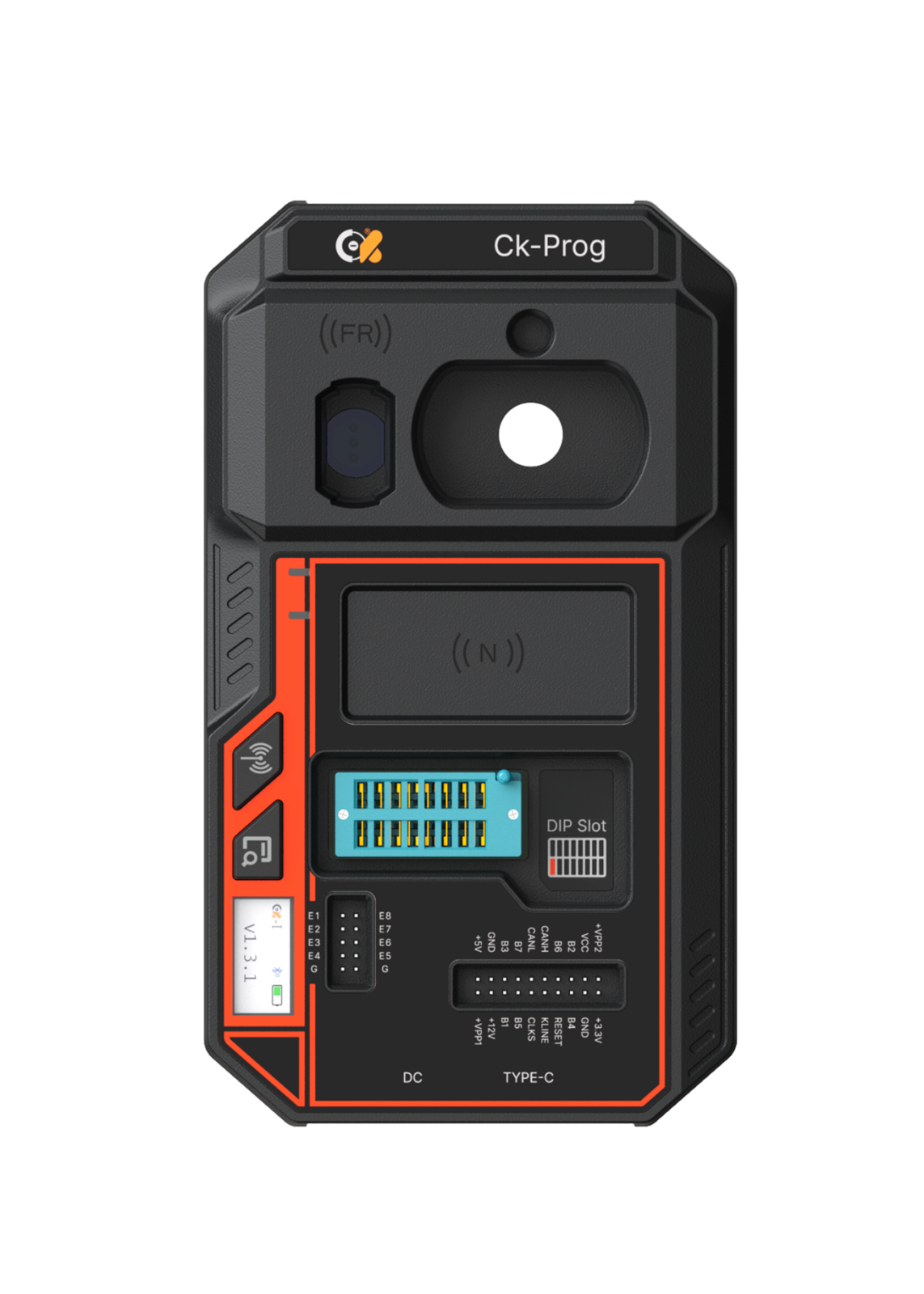
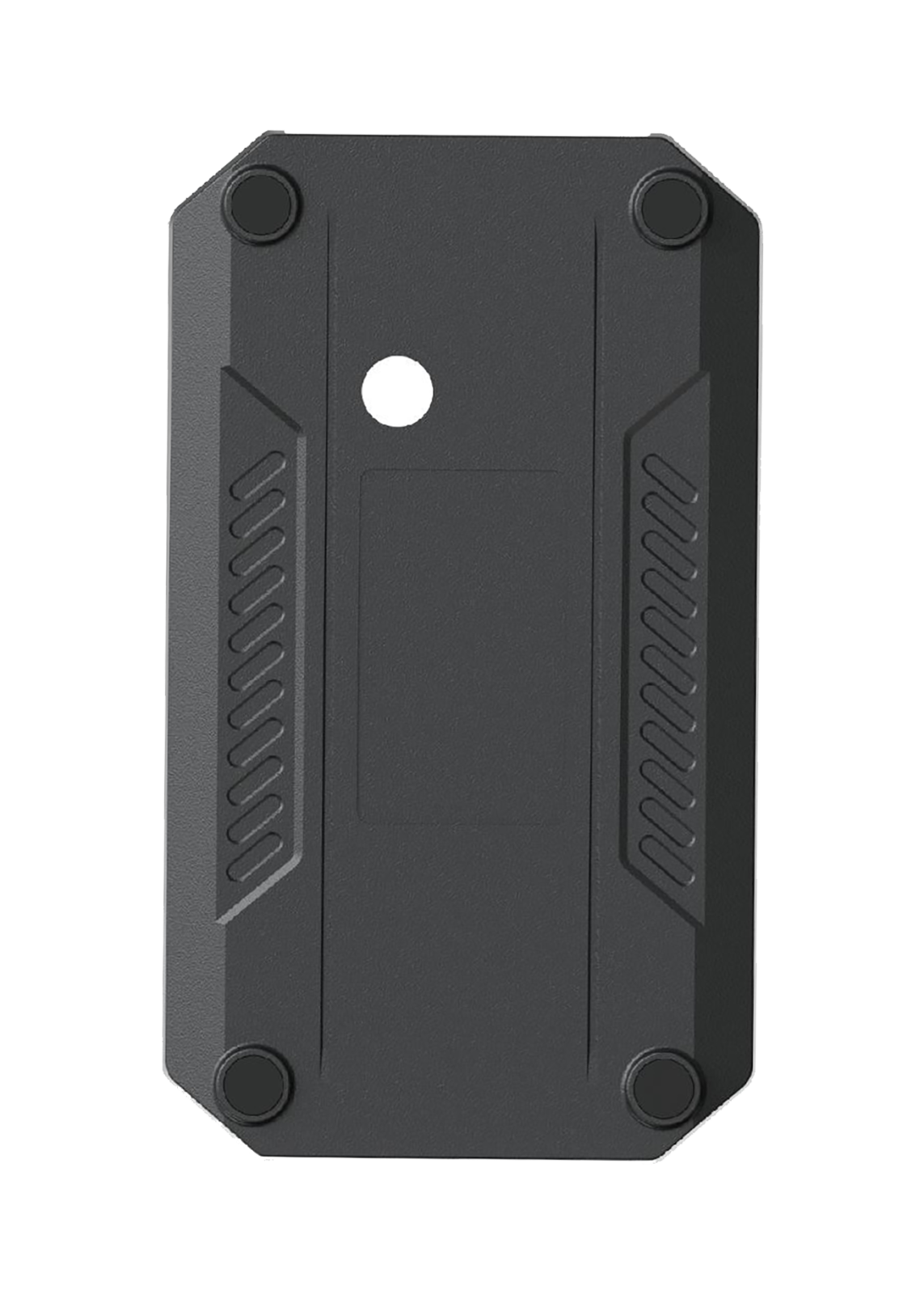
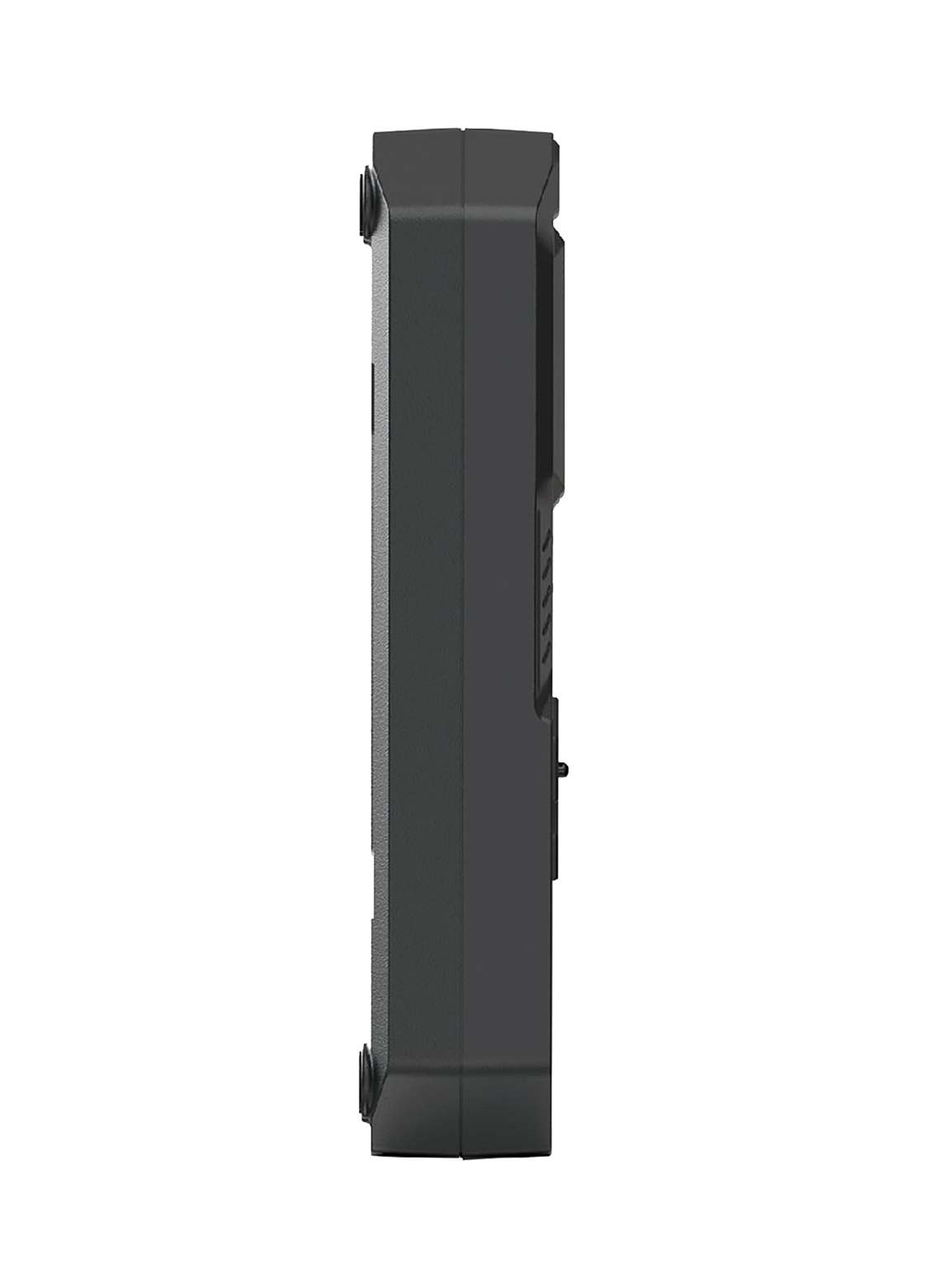
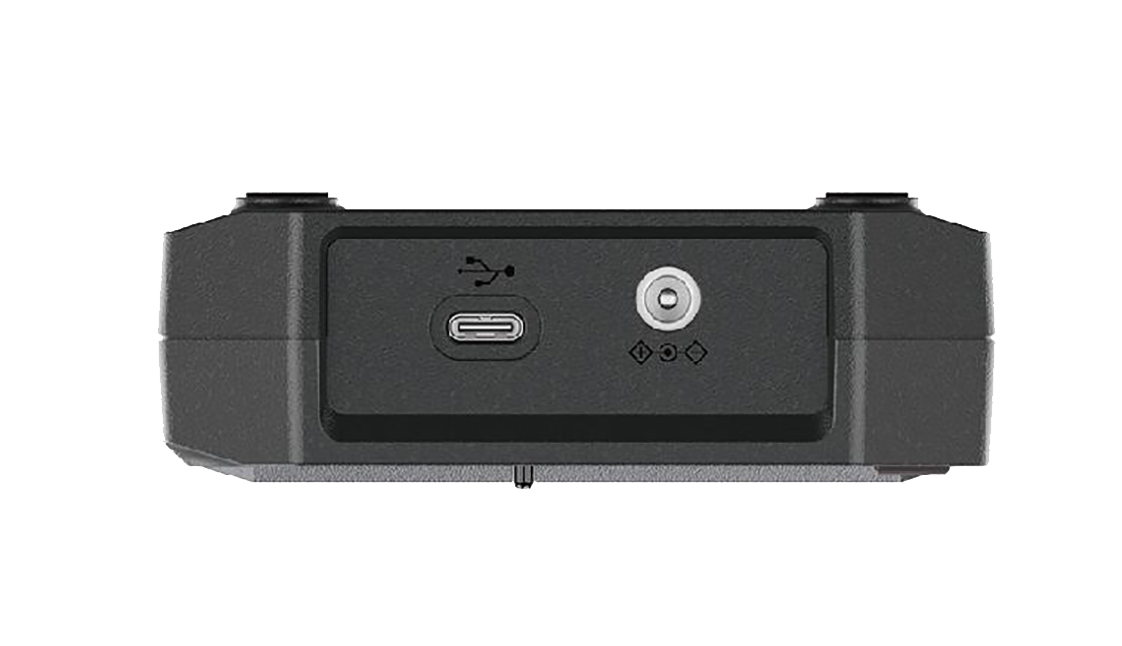
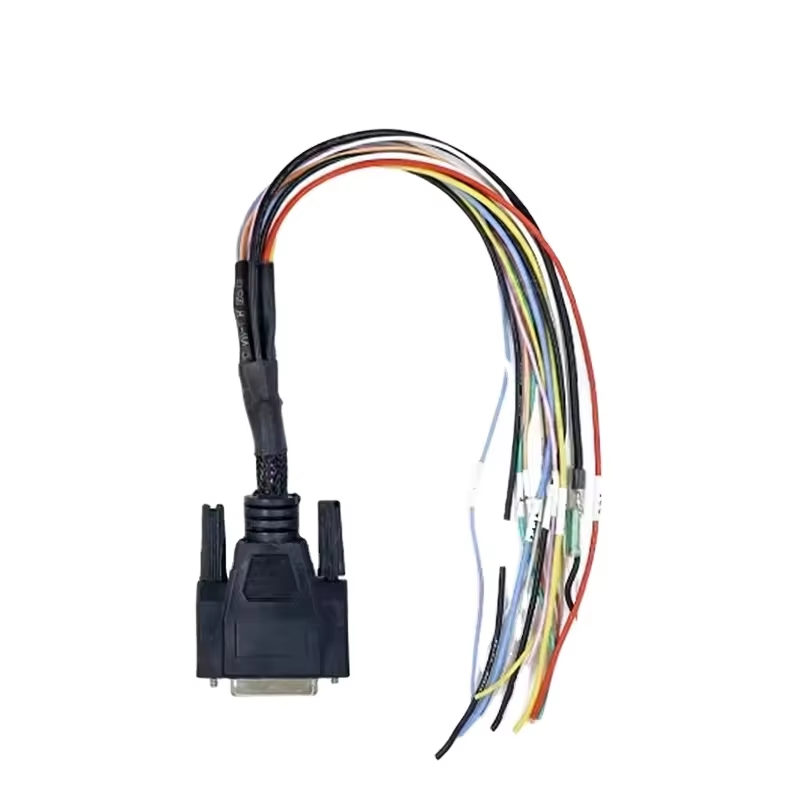
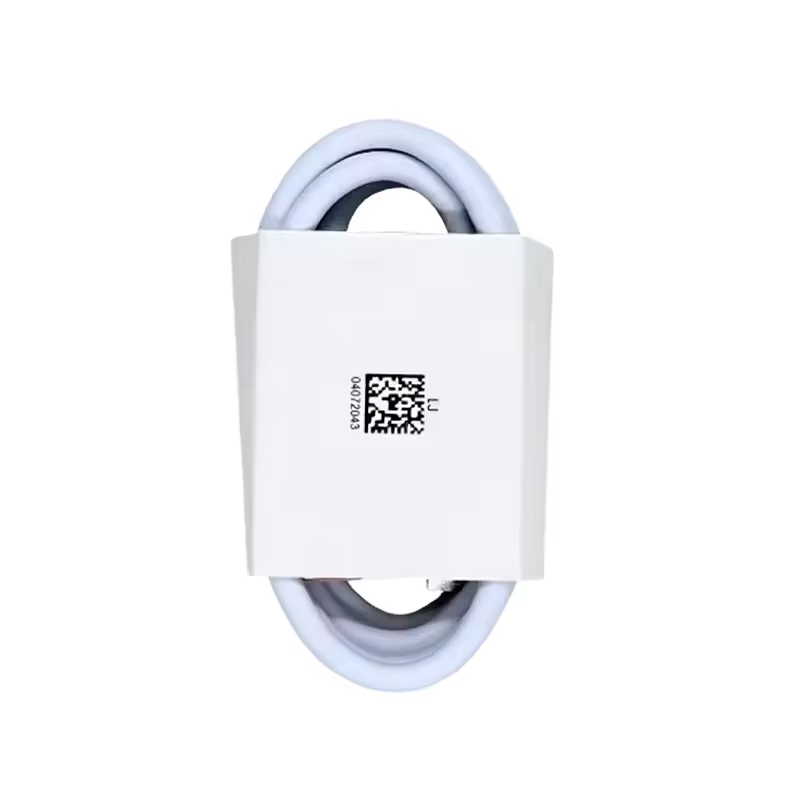
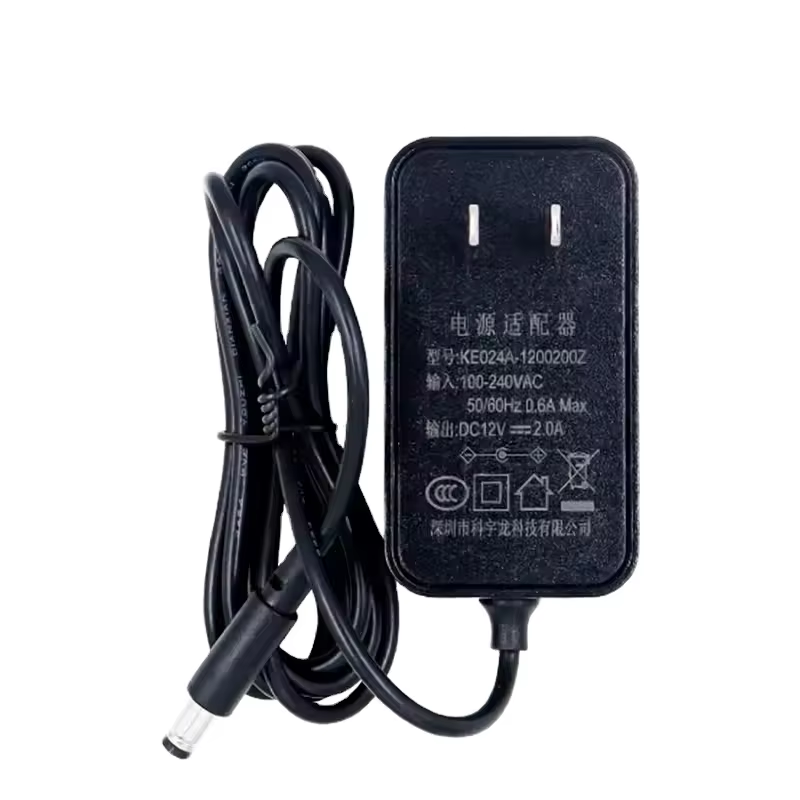
Great CK-PROG Auto Intelligent Programmer Support Data Read and Write Car Key Chips Multifunctional Programming, Airbag Repair, Dashboard Restoration, Key Unlocking, Anti-theft Matching
Item No. AR040
In Stock.
History sold.
0 out of 50 global ratings
- 5 stars:0%
- 4 stars:0%
- 3 stars:0%
- 2 stars:0%
- 1 stars:0%
ratings| answered questions
0 out of 5
0 global ratings
- 5 stars:0%
- 4 stars:0%
- 3 stars:0%
- 2 stars:0%
- 1 stars:0%
Latest price:$599.00
Buy Now:
$
519.00
13% off
Fast Shipping & No Tax
US Check: Ship from US
UK Check: Ship from UK
EU Check: Ship from Czech
Looking for help? Please contact Whatsapp: +86-19892834301
- Shipping:
-
Free Shipping
Express Shipping ServiceEstimated delivery time: 3-5 Working Days
- Quantity:
- Stock:32

- Weight:
- 1.2 KG
- Package:
Related Download Files
Share
Great CK-PROG Automotive Intelligent Programmer V1.0 Support Data Read and Write Car Key Chips Multifunctional Programming, Airbag Repair, Dashboard Restoration, Key Unlocking, Start Writing, Anti-theft Matching
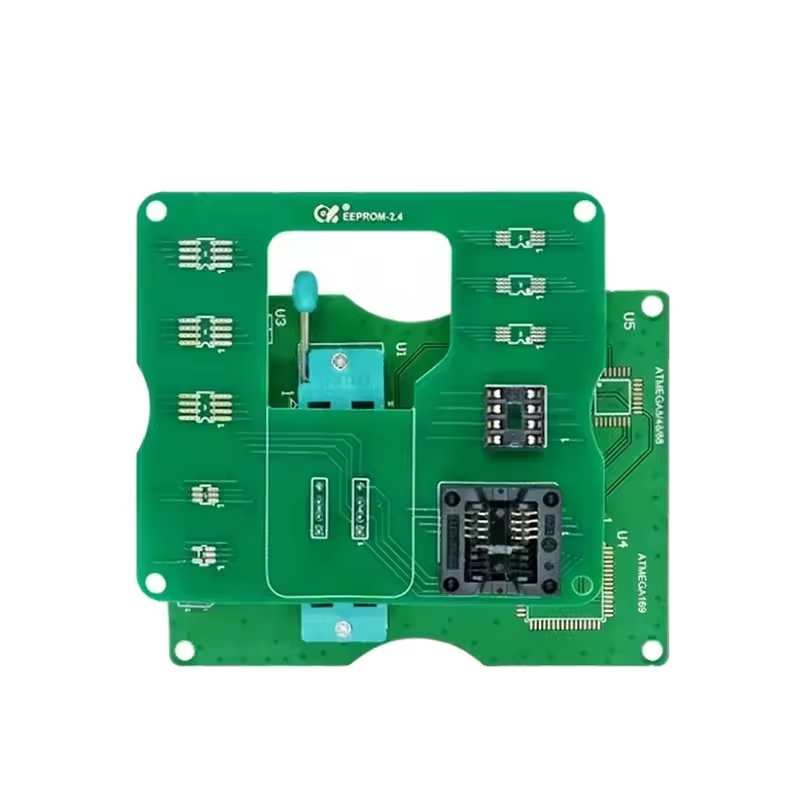
The CK-PROG device supports data reading and writing for a wide range of chips, including SPC56xx/MPC56xx/SPC564xx/MAC7 series, MC68HC(9)12 series, TC2xx series, XC2xx series, FS32K1xx series, 9S12/9S08/M68Hxx series, H8S R5F61725 series, ATMEGA series, PIC16/PIC18 series, S6J series, RH850 (R7F7) series, RL78 (R7F1/R5F5) series, STM8 series, V850 (D70F) two‑wire series, V850 (DF70) single‑wire series, MB91 series, and EEPROM chips.
It includes decryption functions and currently supports chips from Freescale, Renesas, NXP, with more models under continuous development.
The device supports programming operations such as chip reading, writing, erasing, unlocking, locking, and data verification. It also allows users to customize menu programming data and perform one‑key flashing.
Wiring diagrams are provided according to vehicle model options for easy connection.
Introduction:
The CK-PROG device supports data reading and writing for multiple chip types, including the SPC56xx/MPC56xx/SPC564xx/MAC7 series, MC68HC(9)12 series, TC2xx series, XC2xx series, FS32K1xx series, 9s12/9s08/M68Hxx series, H8SR5F61725 series, ATMEGA series, PIC16/PIC18 series, S6J series, RH850(R7F7) series, RL78(R7F1/R5F5) series, STM8 series, V850(D70F) dual-wire series, V850(DF70) single-wire series, MB91 series, and EEPROM chips. It includes decryption functionality and currently supports chips from Freescale, Renesas, NXP, among others, with more models under continuous development. It supports programming operations such as chip reading, writing, erasing, unlocking, locking, and data verification. It also allows users to customize menu programming data for one-click flashing. Wiring diagrams are provided according to vehicle model options for convenient connections.
Software Function Detailed Description:
1. Core Processing Functions
Cloud Processing: Upload, process, and repair data on the cloud
2. Programming Functions
Programming Module: Supports general memory and MCU options
3. Automotive Electronics Repair Functions
Airbag Repair: Covers 80%-90% of airbag computer repairs on the market
Dashboard Calibration: Covers 75%-85% of dashboard calibrations on the market
Fragile Module Repair: Routine repairs for steering locks and vehicle body delicate computers
4. Key-Related Functions
Key Unlocking: Unlocks standard factory keys on the market
Key Detection: Detects key chips and frequency
Copying of BMW BCD2, BDC3, U-chassis, and LCD keys, both non-encrypted and encrypted, to new or old keys
5. Anti-theft / Write Start Function
Anti-theft Data Processing: The anti-theft computer loads anti-theft data and writes to start
Auxiliary Functions
User-defined programming menu, one-click flashing
Program file editing
Program log recording (including updates, detection, and other process logs)
Wiring and help guidance
1. Core Processing Functions
Data Cloud Upload Processing and Repair
Function Description: Upload local fault data of automotive electronic devices (such as airbag computers, dashboards) to cloud servers using cloud resources.
Applicable Scenario: Complex data faults that cannot be resolved by local devices (such as airbag computer lockout or dashboard encrypted data anomalies in special vehicle models)
Core Role: Utilize cloud resources to overcome the limitations of local device processing and resolve difficult data-related faults
2. Programming Function
General Programming Options
Function Description: Provides programming protocols and parameter template support for commonly used memory and microcontroller units (MCUs) in automotive electronic devices. It allows for flashing programs and modifying parameters of memory and MCUs, and supports user-defined menu programming data that can be flashed with one click.
Applicable Scenarios: Writing new programs and adjusting operational parameters for hardware such as airbag computers, instrument clusters, and body control modules.
Core Function: Supports most mainstream memory and MCU models on the market, enabling program reading/writing and parameter configuration for automotive electronic hardware.
3. Automotive Electronics Repair Functions
1. Airbag Repair
Function Description: Resets the "collision lock status" and "fault codes" stored in the airbag computer after the airbag has deployed. Applicable Scenarios: Airbag computers of 80%-90% of common car models on the market (such as Volkswagen, Toyota, Honda, etc.) without the need to replace hardware. Core Function: A cost-effective alternative to replacing the airbag computer, quickly restoring the functionality of the airbag system.
2. Instrument Calibration
Function Description: Calibrates the display data of car instruments (including mileage, fuel gauge accuracy, tachometer/speedometer display errors, etc.) and corrects abnormal instrument readings. Applicable Scenarios: Mechanical and electronic instruments of 75%-85% of car models on the market (e.g., mileage jumps, inaccurate fuel gauge). Core Function: Solves distorted instrument display issues and restores accurate instrument readings.
3. Vulnerable Module Repair
Function Description: Resets fault data and restores the status of the 'steering lock module' (steering column locking device) and 'vehicle body vulnerable computers' (such as the Body Control Module, BCM).
Applicable Scenarios: Steering lock sticking/failure, intermittent malfunction of vehicle body modules (such as uncontrolled windows/door locks).
Core Function: Repairs vulnerable electronic components at low cost without replacing the module hardware.
Key-Related Functions
1. Standard OEM Key Unlocking
Function Description: Releases the lock state between the original key and the vehicle's anti-theft system, allowing the key to regain matching authorization with the vehicle.
Applicable Scenarios: The original key is blocked by the vehicle's anti-theft system (e.g., multiple incorrect password entries, key recovered after loss).
Core Function: Restores the original key's matching eligibility, avoiding the cost of reprogramming a new key.
2. Key Chip/Frequency Detection
Function Description: Reads the model and code information of the chip built into the key, and detects the key's radio communication frequency (e.g., 433MHz/315MHz).
Applicable Scenarios: Parameter confirmation before programming a new key, troubleshooting key issues (e.g., key not being sensed).
Core Function: Obtains the key's core parameters to provide data support for key matching/repair.
3. Key Programming Start Function Description: Writes key encoding and anti-theft authorization data to the key chip and matches it with the vehicle's anti-theft system, completing the binding of starting authorization between the key and the vehicle. Applicable Scenarios: Adding a new key, replacing a lost original key, replacing a key chip after damage. Core Function: Provides the new key with 'start authorization,' allowing the key to start the vehicle normally.
4. Anti-theft/Write Start Function
Anti-theft computer loads anti-theft data and writes start
Function Description: Loads key codes, vehicle anti-theft passwords, and other data into the vehicle's anti-theft control unit, completing the matching between the anti-theft system and the key, and restoring the vehicle's start function.
Applicable Scenarios: When anti-theft computer data is lost or after replacing the anti-theft computer for system matching.
Core Function: Rebuilds the authorization relationship between the vehicle's anti-theft system and the key, resolving the issue of "vehicle unable to start due to anti-theft lock."
Auxiliary Functions
1. Program File Editing
Function Description: Modify parameters and edit contents of automotive electronic device program files (such as .hex firmware)
Applicable Scenarios: Scenarios where device program parameters need to be customized (e.g., adjusting instrument display logic)
Core Role: Flexibly customize the program configuration of automotive electronic devices
2. Program Log Recording
Function Description: Automatically record the entire software operation process (including data updates, device checks, repair steps, and operation results)
Applicable Scenarios: Troubleshooting (tracing back the operation process), keeping records for operational compliance
Core Role: Keep operation traces to assist with subsequent problem analysis
3. Wiring and Help Guidance
Function Description: Provide wiring diagrams and operation step instructions for devices and automotive electronic modules
Applicable Scenarios: New users' operation, situations where specific module wiring is unfamiliar
Core Role: Prevent wiring errors and assist users in correctly completing device connections and operations
4. Quick Access
Function Description: Provides an entry point to quickly access system functions, including recent activity and personal favorites, making it easier for users to quickly locate commonly used content or features.
Applicable Scenarios: Scenarios where frequent access to specific functions or content is needed, searching for historical operation records, or managing personal favorites.
Core Role: Reduces repetitive operation steps, improves operational efficiency, and helps users quickly locate the functions and content they need.
5. More Features: Continuously being updated and developed...
Customer Questions & Answers
Customer Reviews
0 Stars of 5,0 Reviews.
- 5 stars:0%
- 4 stars:0%
- 3 stars:0%
- 2 stars:0%
- 1 stars:0%
Share your thoughts with other customers.
Write a reviewTop customer reviews
You may also like
-
UUSP UPA-USB Serial Programmer Full Package V1.3
$99.009% off
-
Orange5 V1.45 Programmer Tool Full Activation with dongle ECU Program Device Activate Full Authorization Beyond Orange5 V1.38
$249.0017% off

-
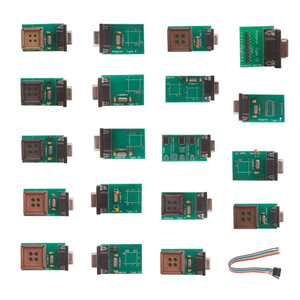
NEW Full Adaptors for All UPA USB Programmer
$59.009% off
-
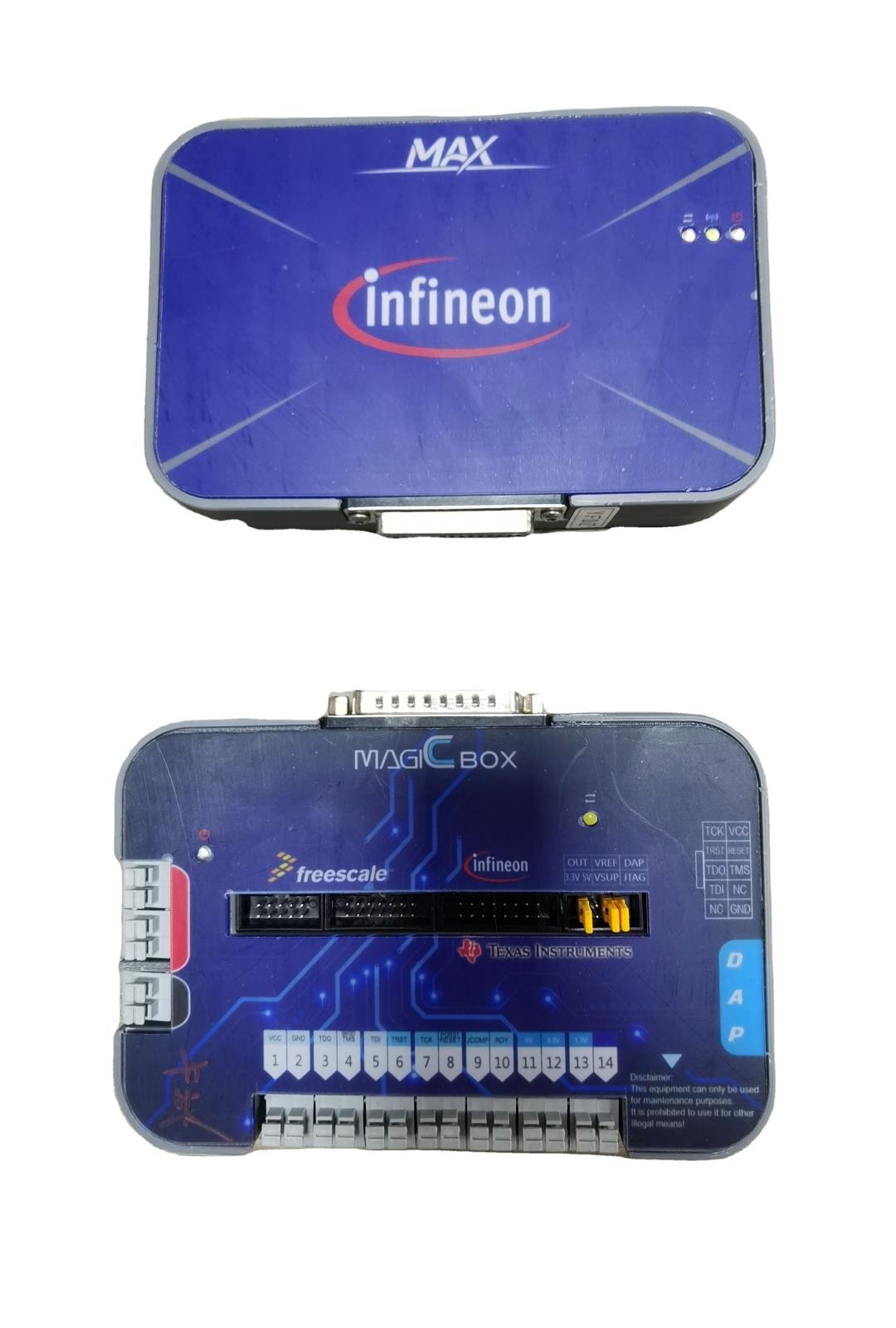
New High-speed Infineon Programmer Quick Junction Box
$359.0010% off
- Payment:

-
Tel
+86-19892834301 -
WhatsApp